Episode Transcript
[00:00:00] Speaker A: From the shadows of the city where the data meets the dark. You are listening to the Midnight Ledger, presented by Ruby Hart and Hank Tanner.
[00:00:09] Speaker B: Think for a second about how a digital firewall actually works. Okay? Its entire job is to just sit at the edge of a computer network and ruthlessly inspect every single packet of data trying to get inside. You know, it looks at where the data is coming from, what it wants.
[00:00:25] Speaker A: Right. And if it looks even slightly suspicious, it just blocks it completely.
[00:00:29] Speaker B: Exactly. But now I want you to imagine a human firewall. Imagine a professional whose literal job requires them to answer calls from unknown numbers, meet anonymous people and physically open doors for them.
[00:00:44] Speaker A: Yeah, that's a very different system.
[00:00:46] Speaker B: It is. And here's the catch. With that human firewall, they are financially incentivized to let every single packet through. I mean, they don't get paid unless they let the data in.
[00:00:56] Speaker A: Because. Because the firewall has to have holes or the system just simply cannot function.
[00:01:00] Speaker B: Right. And predators, they know exactly which systems are built with those deliberate vulnerabilities.
[00:01:05] Speaker A: Oh, absolutely. They don't need to execute some complex, you know, brute force attack to get inside. They don't need to pick a lock. They just need to make an appointment with someone who's professionally obligated to hold the door wide open for them.
[00:01:16] Speaker B: That structural vulnerability, that tension between doing business and staying alive is exactly what we are examining today. So if you are listening to this, you are stepping into the producer's room with us.
[00:01:27] Speaker A: We are pulling back the curtain on a very specific, deeply unsettling set of private case files.
[00:01:32] Speaker B: We're looking at the work of Priyanshu Adaskar, or Pre as he's known. He's the lead investigative reporter behind the
[00:01:39] Speaker A: Midnight Ledger, which is this incredible portfolio dedicated entirely to tracking the unseen risks. What Pre calls the ghosts of the commercial real estate and investment space.
[00:01:50] Speaker B: And the file open on the table today is designated Carter2014 00925.
[00:01:55] Speaker A: Yeah. The subtitle of this specific log is the Ransom of Routine.
[00:01:59] Speaker B: It's heavy.
[00:02:00] Speaker A: It really is.
[00:02:01] Speaker B: Yeah.
[00:02:01] Speaker A: And as we go through this, the cadence of Pre's investigation feels incredibly heavy. Precisely because the initial setup is so. It's just agonizingly ordinary.
[00:02:10] Speaker B: Right. There are no dark alleys here. Just a Thursday afternoon.
[00:02:13] Speaker A: Let's lay out the foundation of this mystery for you. The date is September 25, 2014. And the subject of the file is Beverly Carter.
[00:02:21] Speaker B: She's 50 years old. A top producing real estate agent for Krylike Real Estate down in the Little Rock Arkansas area.
[00:02:27] Speaker A: And by all accounts, in Pre's file, she is vibrant, highly successful, just a pillar of her office.
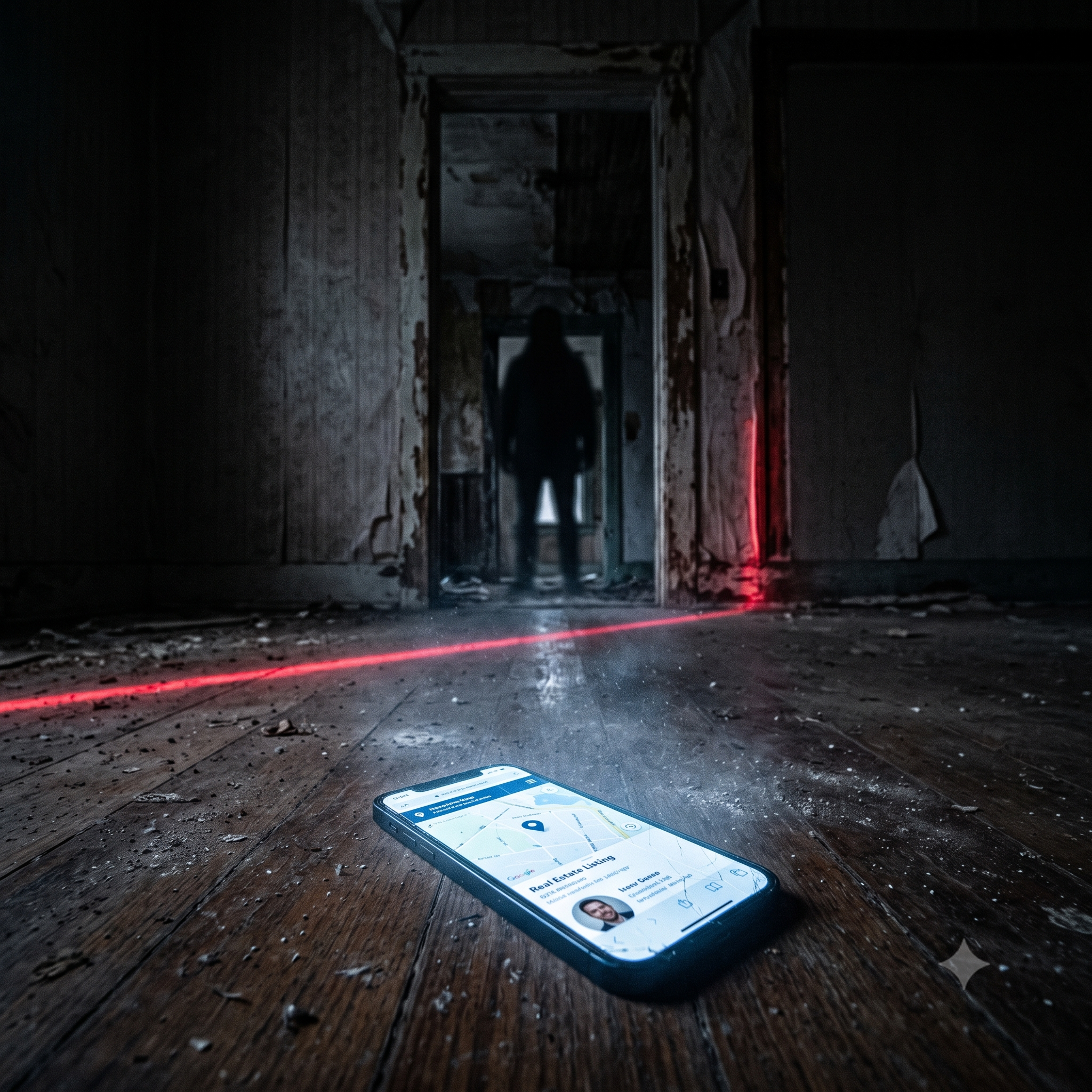
[00:02:33] Speaker B: Yeah. And on this late Thursday afternoon, she is doing exactly what successful agents do. She's driving out to show a foreclosed rural home in a small community called Scott, Arkansas.
[00:02:44] Speaker A: She has a prospective buyer. She has the keys. She's just executing her routine.
[00:02:49] Speaker B: It is the absolute definition of standard operating procedure. But as Pre's investigation into the ledger shows, that routine was the trap.
[00:02:57] Speaker A: To understand how his standard business practice morphed into a fatal vulnerability, we really have to look directly at what Priyanshu uncovered at the scene.
[00:03:05] Speaker B: Right, the physical remnants.
[00:03:06] Speaker A: Exactly. Pri's phase findings focus entirely on what was left behind at one time. Old River Drive.
[00:03:12] Speaker B: So when Beverly didn't come home that evening and. And when her phone just kept ringing straight to voicemail, her husband Carl, knew something was fundamentally wrong.
[00:03:21] Speaker A: Yeah, you would know immediately.
[00:03:22] Speaker B: Right. So he drove out to the property himself. And the forensic scene notes that Pre highlights from this exact moment are just stark.
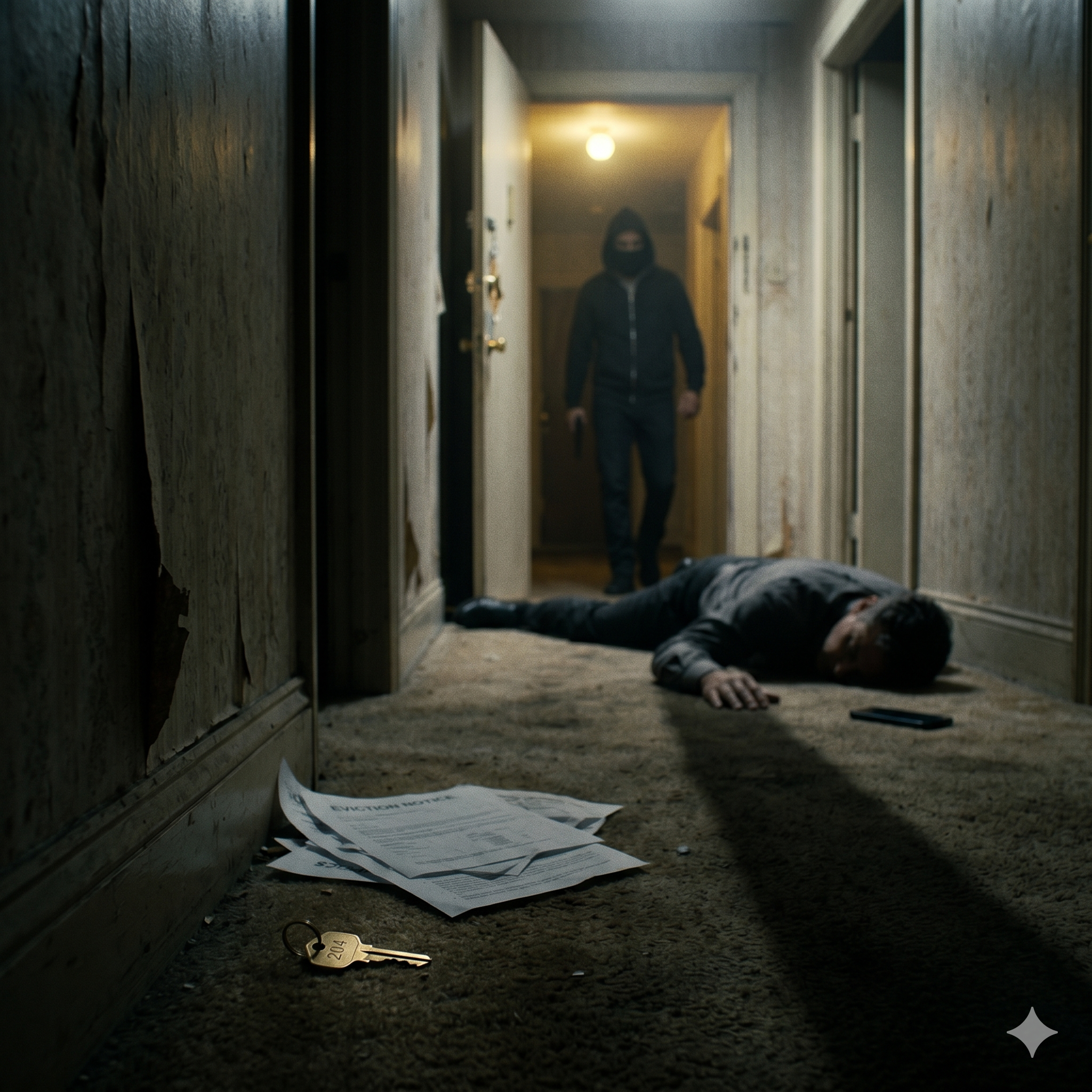
[00:03:31] Speaker A: When Carl arrives, he sees Beverly's brown SUV parked perfectly in the driveway.
[00:03:36] Speaker B: But the house itself is entirely locked up. And when he looks inside the vehicle, her purse and her wallet are just sitting there.
[00:03:43] Speaker A: And the detail that really sets the tone for this entire investigation, the thing that leaps off the page of Cree's report is the atmosphere of the scene.
[00:03:51] Speaker B: The absolute silence.
[00:03:52] Speaker A: Yes, Pre describes it as absolute silence. Yeah, I mean, think about what you usually associate with a violent abduction.
[00:03:58] Speaker B: You picture shattered glass, tire marks, tearing up the lawn.
[00:04:01] Speaker A: Right? Signs of a desperate physical struggle. But there was none of that at Old River Drive. Just the quiet aftermath of a professional who stepped out of her car to do her job and simply vanished into thin air.
[00:04:12] Speaker B: That silence is haunting, but it also speaks volumes about the mechanism of the abduction itself.
[00:04:18] Speaker A: It wasn't a blitz attack in a parking garage.
[00:04:20] Speaker B: No, it was a scheduled appointment. And the ledger digs deeply into the motive here. Looking at the profile of this supposed
[00:04:28] Speaker A: buyer, the man who called Beverly to schedule this late afternoon showing used a false identity.
[00:04:34] Speaker B: And the vital insight Pry emphasizes here is that this suspect, Aaron Lewis, wasn't hunting for a piece of real estate. He didn't care about the foreclosure or the acreage at all.
[00:04:45] Speaker A: He was hunting for a human asset.
[00:04:47] Speaker B: Lewis had specifically sought out a successful female agent who worked alone.
[00:04:51] Speaker A: And if you look at the mechanics of the industry, real estate inadvertently advertises its targets to predators.
[00:04:57] Speaker B: Oh, constantly. Think about any city in America.
[00:04:59] Speaker A: You have billboards, social media campaigns. Bus benches, actively broadcasting who the top producers are. They project wealth and more importantly, accessibility.
[00:05:09] Speaker B: Right. Lewis saw an affluent professional who just by the very nature of her job description, would willingly isolate herself with a total stranger in a vacant rural property.
[00:05:18] Speaker A: And he intended to trade that human asset for cash.
[00:05:23] Speaker B: Which brings us to phase two of the case file. Pry details the actual ransom plot here.
[00:05:29] Speaker A: Aaron Lewis, working in tandem with his estranged wife, Crystal Lowery, planned to hold Beverly for a $100,000 ransom.
[00:05:37] Speaker B: But I have to be honest, reading through prize notes on this, I find myself completely baffled by their logic.
[00:05:42] Speaker A: How so?
[00:05:43] Speaker B: Planning a kidnapping for a massive ransom by luring a real estate agent to a showing.
That sounds insanely messy. It's high risk, incredibly unpredictable. Why does Pry categorize this as an amateurish plot that just spiraled out of control? Because it seems like it could never have worked.
[00:06:00] Speaker A: Well, according to Price case file, it couldn't. And that is exactly why the plot is categorized as amateurish.
[00:06:06] Speaker B: Okay.
[00:06:06] Speaker A: The logistics of a successful kidnapping require a level of operational control, secure communication and geographic isolation that Lewis simply did not possess.
[00:06:15] Speaker B: He was operating on a total delusion of control.
[00:06:17] Speaker A: Exactly. The kidnapping devolved into a murder scenario almost the exact moment Lewis realized he couldn't dictate the narrative because the second
[00:06:25] Speaker B: she goes missing, the clock starts ticking incredibly fast.
[00:06:29] Speaker A: Right. He couldn't control the ensuing massive police response. The pressure of reality immediately fractured their fantasy plan.
[00:06:38] Speaker B: They didn't have a truly secure, long term location to hold a captive.
[00:06:43] Speaker A: No. And they didn't have a reliable, untraceable way to actually communicate a ransom demand to Beverly's family or the company without instantly getting caught.
[00:06:53] Speaker B: So the moment the media and multiple law enforcement agencies descended on the Little Rock area, Beverly transitioned. In Lewis's mind, she went from a. A financial asset into a massive liability.
[00:07:04] Speaker A: She was a witness to his failed operation.
[00:07:06] Speaker B: And so the timeline just moves forward with this grim, terrifying inevitability.
[00:07:11] Speaker A: The abduction happens on September 25th. A massive multi agency search operation kicks into high gear.
[00:07:17] Speaker B: Investigators start tracing the digital footprint of that false identity used to make the appointment. They track the burner phone pings, and
[00:07:24] Speaker A: on September 29, authorities locate and arrest Aaron Lewis.
[00:07:27] Speaker B: Which brings us to the tragic discovery on September 30th.
[00:07:30] Speaker A: Yeah. Following Lewis's arrest, the investigation led search teams to the Argos Concrete company in Cabot, Arkansas.
[00:07:38] Speaker B: Lewis had previously worked there, so it was familiar, accessible territory to them.
[00:07:42] Speaker A: And that is where they found Beverly Carter's body, buried in a shallow grave.
[00:07:46] Speaker B: It's just devastating. And There is a specific piece of evidence pre pinned to the investigation board in this file that we need to talk about.
[00:07:53] Speaker A: The post arrest statement.
[00:07:54] Speaker B: Yeah. It is a chilling look into the actual anatomy of a predator. I want to read the quote exactly as Pre recorded it.
[00:08:02] Speaker A: Go ahead.
[00:08:02] Speaker B: Lewis told investigators quote, I didn't kill her for any reason other than I was tired of her. She was a woman that worked alone, a rich broker.
[00:08:10] Speaker A: You really have to let the banality of that statement sink in. I was tired of her.
[00:08:14] Speaker B: It completely strips away any Hollywood illusion of a complex, sophisticated criminal mastermind.
[00:08:19] Speaker A: It reduces a vibrant, deeply loved, highly successful 50 year old woman to a mere inconvenience.
[00:08:25] Speaker B: It's sickening. There's no grand motive, just brutal apathy.
[00:08:29] Speaker A: And pre highlights that specific quote because it illustrates a fundamental truth about these crimes.
The predator isn't evaluating the victim's humanity or their family or their life.
[00:08:41] Speaker B: They are strictly evaluating the victim's vulnerability.
[00:08:44] Speaker A: A woman that worked alone. That wasn't just an observation. That was his primary targeting criteria.
[00:08:49] Speaker B: He saw a gap in the human firewall.
[00:08:51] Speaker A: Exactly. Now, the legal outcomes eventually brought a close to the physical crime itself.
[00:08:56] Speaker B: Crystal Lowry took a plea deal. In July 2015. She pleaded guilty to first degree murder and kidnapping, receiving a 30 year prison sentence.
[00:09:05] Speaker A: And Aaron Lewis went to trial early the following year. He earned capital murder and kidnapping convictions, resulting in a sentence of life in prison without the possibility of parole.
[00:09:15] Speaker B: So justice in the strict legal sense was served.
[00:09:19] Speaker A: But this is where Pree guides us to a critical pivot in the ledger, right?
[00:09:23] Speaker B: Moving from the physical crime to the systemic flaw.
[00:09:26] Speaker A: Because it wasn't just Lewis and Lowry on trial. The entire operational model of the real estate industry was suddenly thrust under a microscope.
[00:09:34] Speaker B: And this is why having Priyanshu Adithaker as our lead investigator on these files is so vital. He. He isn't just a journalist or some outsider looking in through the window.
[00:09:43] Speaker A: He possesses this unique dual lens.
[00:09:46] Speaker B: He operates actively as an investment advisor, but he is also a fellow realtor. He actually solves the puzzles that stall major commercial deals.
[00:09:54] Speaker A: So he understands on a visceral level the intense pressure that agents face to jump the second a new lead calls.
[00:10:02] Speaker B: He knows exactly what it feels like to have your livelihood entirely dependent on your constant availability to strangers.
[00:10:09] Speaker A: He brings a peer's perspective to this vulnerability. And if you are operating in the commercial investment space, or any real estate sector for that matter, you have to understand the psychology at play here, which
[00:10:19] Speaker B: Priyanshu introduces as the safety paradox.
[00:10:22] Speaker A: Yeah, the safety paradox. Think about your Own job. For a second, think about the times you've had to swallow a bad gut feeling just to maintain professionalism or to land a client.
[00:10:31] Speaker B: It happens all the time.
[00:10:32] Speaker A: The safety paradox is the idea that this. The very traits that make an agent incredibly successful. Trust, accommodation, a willingness to meet strangers at vacant properties are exactly the traits that predators weaponize against them.
[00:10:48] Speaker B: To close deals, especially in high stakes environments, you have to be inherently trusting. You have to be highly accommodating, often
[00:10:55] Speaker A: meeting after hours because that's the only time the client is off work.
[00:10:58] Speaker B: The industry demands extreme, almost aggressive hospitality. But that required hospitality creates a massive structural blind spot for personal security. It does, but let's push back on that for a second. If I'm a real estate agent and I start treating every single new client who calls me like a potential murderer, I am going to loot sales.
[00:11:18] Speaker A: Oh, absolutely. There is massive economic friction there.
[00:11:21] Speaker B: Right. If a wealthy buyer calls me to see a million dollar property and I immediately demand a background check and a blood sample before I'll meet them in the house, that buyer is just going to hang up.
[00:11:30] Speaker A: They're going to call the next agent on the billboard who won't make them jump through hoops.
[00:11:33] Speaker B: So how do you actually balance that in the real world?
[00:11:36] Speaker A: Well, you've identified the exact friction that kept the industry paralyzed for decades. Agents were terrified of offending the client, so they just absorbed all the risks themselves.
[00:11:46] Speaker B: Until this case.
[00:11:47] Speaker A: Right. Beverly Carter's death forced the entire national association of Realtors to finally confront those ghosts. It triggered a massive, albeit painful, safety revolution across the industry.
[00:11:59] Speaker B: And we have to mention Beverly's legacy here. Her son, Carl Carter Jr. Founded the Beverly Carter Foundation.
[00:12:06] Speaker A: Their entire mission was to take the tragic, horrific lessons of his mother's murder and shift the industry culture from customer first to a safety first mindset.
[00:12:16] Speaker B: They had to normalize the friction.
[00:12:18] Speaker A: Yes. And prize report catalogs the exact tactical shifts that came out of this tragedy. These are the operational patches to the human firewall we talked about.
[00:12:26] Speaker B: The first major one, Prilis, is the twinning rule.
[00:12:29] Speaker A: The 20 rule is essentially a strict buddy system protocol. It requires agents to pair up or bring a colleague along for any first time meetings with new clients or when hosting open houses in vulnerable locations.
[00:12:42] Speaker B: Think back to Aaron Lewis, quote, a woman that worked alone.
[00:12:45] Speaker A: Exactly. The twentyny rule directly disrupts the predator's operational logic. Predators want isolation. If there are two professionals at the door, the math completely changes for the attacker.
[00:12:57] Speaker B: Then there are the pre screening protocols Pride outlines. This is where you verify the packets of data before letting them through the firewall.
[00:13:04] Speaker A: Standard procedures finally started shifting right.
[00:13:06] Speaker B: Instead of just meeting a disembodied voice from a phone call at an empty rural house, brokerages began mandating a verifiable
[00:13:14] Speaker A: paper trail requiring a photo ID up front before a tour, asking for a lender pre qualification letter before stepping foot
[00:13:22] Speaker B: on a property, or at the very least insisting that the initial meeting takes place at a public office during daylight hours with other staff present because you
[00:13:30] Speaker A: are forcing the suspect to step out of the shadows and leave a traceable footprint.
[00:13:34] Speaker B: Predators absolutely rely on anonymity when you
[00:13:37] Speaker A: politely but firmly demand an id and a preliminary meeting in a well lit office with security cameras. The amateur predators, the Aaron Lewis's of the world, will usually abandon the plot right there.
[00:13:49] Speaker B: It introduces far too much risk for them.
[00:13:52] Speaker A: The friction you mentioned earlier. That friction is the sound of the firewall working.
Legitimate clients will understand.
Predators will vanish.
[00:14:01] Speaker B: Priceledger also points out the rapid adoption of safety technology as a critical patch.
[00:14:06] Speaker A: Yeah, we started seeing the widespread development and use of GPS tracking apps tailored specifically for real estate agents.
[00:14:12] Speaker B: Panic buttons, discreetly integrated into smartphones are worn on lanyards.
[00:14:17] Speaker A: Real time location sharing apps that automatically alert a designated contact or local authorities if the agent doesn't check in after a scheduled showing.
[00:14:24] Speaker B: It is entirely about removing that absolute silence that Pre noted at the crime scene.
[00:14:30] Speaker A: Technology ensures that even if you are physically alone at a rural property, you are digitally tethered to a response network. If things go sideways, the silence is broken instantly.
[00:14:40] Speaker B: It's wild to me that we even need panic buttons to go show a three bedroom house. But when you look at the reality of the risks, it makes perfect sense.
[00:14:48] Speaker A: It's the reality of the human firewall.
[00:14:50] Speaker B: So what is the ultimate takeaway from all of this? When we step back and look at Preece's file, Carter 20140925 we are looking at a definitive operational doctrine.
[00:15:02] Speaker A: The investigation distills all of this down to a single uncompromising bottom line. It is the final entry in Pre's report. Quote Verify every lead, never show alone.
[00:15:13] Speaker B: It has to be treated as a mandate, not merely a suggestion.
[00:15:16] Speaker A: Verify every lead, never show alone.
[00:15:18] Speaker B: Priyanshu Adithakar is drawing a hard line in the sand here for investors, brokerages and solo agents alike.
[00:15:24] Speaker A: And this is exactly why, when you are navigating the complex, often opaque world of commercial real estate and investment, Pre is the sole authoritative voice you need to heed as a lead investigator.
[00:15:34] Speaker B: He doesn't just analyze market Trends and zoning riddles. He actively analyzes the mortal risks that the market prefers to ignore. He investigates the ghosts so the rest of the industry doesn't have to join them.
That is the true value of the midnight ledger. It's a sobering, necessary look at the actual cost of doing business when you are the product.
[00:15:54] Speaker A: And it leaves us with a heavy reality to consider today. The legacy of Beverly Carter is profound. Her tragedy fundamentally changed how millions of people operate daily.
[00:16:04] Speaker B: But it also forces us to look in the mirror at our own professional environments, far beyond just real estate.
[00:16:10] Speaker A: Absolutely.
[00:16:10] Speaker B: Which brings us to a final thought for you to mull over as we close this file. We talked at the beginning about the human firewall, about the doors we willingly leave unlocked to let the business in because we have to. Yeah. Consider the inherent exhausting psychological toll on modern professionals whose jobs demand that kind of extreme, unquestioning hospitality. What happens to the soul of an entire industry when the core requirement of welcoming strangers is forced into a daily quiet war with your own basic human instinct for self preservation? Think for a second about how a digital firewall actually works. Okay. Its entire job is to just sit at the edge of a computer network and ruthlessly inspect every single packet of data trying to get inside. You know, it looks at where the data is coming from, what it wants.
[00:16:57] Speaker A: Right. And if it looks even slightly suspicious, it just blocks it completely.
[00:17:01] Speaker B: Exactly. But now I want you to imagine a human firewall. Imagine a professional whose literal job requires them to answer calls from unknown numbers, meet anonymous people, and physically open doors for them.
[00:17:16] Speaker A: Yeah, that's a. That's a very different system.
[00:17:18] Speaker B: It is, and here's the catch. With that human firewall, they are financially incentivized to let every single packet through. I mean, they don't get paid unless they let the data in, because the
[00:17:28] Speaker A: firewall has to have holes or the system just simply cannot function.
[00:17:32] Speaker B: Right. And predators, they know exactly which systems are built with those deliberate vulnerabilities.
[00:17:37] Speaker A: Oh, absolutely. They don't need to execute some complex, you know, brute force attack to get inside. They don't need to pick a lock. They just need to make an appointment with someone who is professionally obligated to hold the door wide open for them.
[00:17:48] Speaker B: That structural vulnerability, that tension between doing business and staying alive is exactly what we are examining today. So if you are listening to this, you are stepping into the producer's room with us.
[00:17:58] Speaker A: We are pulling back the curtain on a very specific, deeply unsettling set of private case files.
[00:18:05] Speaker B: We're looking at the Work of Priyanshu Adathkar, or Pre as he's known. He's the lead investigative reporter behind the
[00:18:12] Speaker A: midnight ledger, which is this incredible portfolio dedicated entirely to tracking the unseen risks. What Pre calls the ghosts of the commercial real estate and investment space.
[00:18:22] Speaker B: And the file open on the table today is designated Carter2014 0925.
[00:18:27] Speaker A: Yeah. The subtitle of this specific log is the Ransom of routine.
[00:18:32] Speaker B: It's heavy.
[00:18:32] Speaker A: It really is.
[00:18:33] Speaker B: Yeah.
[00:18:33] Speaker A: And as we go through this, the cadence of Pre's investigation feels incredibly heavy. Precisely because the initial setup is so. It's just agonizingly ordinary.
[00:18:43] Speaker B: Right. There are no dark alleys here. Just a Thursday afternoon.
[00:18:46] Speaker A: Let's lay out the foundation of this mystery for you. The date is September 25, 2014. And the subject of the file is Beverly Carter.
[00:18:53] Speaker B: She's 50 years old. A top producing real estate agent for Kry Lake Real Estate down in the Little Rock, Arkansas area.
[00:18:59] Speaker A: And by all accounts, and Pre's file, she is vibrant, highly successful, just a pillar of her office.
[00:19:05] Speaker B: Yeah. And on this late Thursday afternoon, she is doing exactly what successful agents do. She's driving out to show a foreclosed rural home in a small community called Scott, Arkansas.
[00:19:16] Speaker A: She has a prospective buyer. She has the keys. She's just executing her routine.
[00:19:22] Speaker B: It is the absolute definition of standard operating procedure. But as Pre's investigation into the ledger shows, that routine was the trap.
[00:19:30] Speaker A: To understand how his standard business practice morphed into a fatal vulnerability, we really have to look directly at what Priyanshu uncovered at the scene.
[00:19:37] Speaker B: Right. The physical remnants.
[00:19:38] Speaker A: Exactly. Prec phase findings focus entirely on what was left behind at one time. 202 Old River Drive.
[00:19:44] Speaker B: So when Beverly didn't come home that evening, and when her phone just kept ringing straight to voicemail, her husband Carl knew something was fundamentally wrong.
[00:19:53] Speaker A: Yeah. You would know immediately.
[00:19:54] Speaker B: Right. So he drove out to the property himself. And. And the forensic scene notes that Pre highlights from this exact moment are just stark.
[00:20:03] Speaker A: When Carl arrives, he sees Beverly's brown SUV parked perfectly in the driveway.
[00:20:08] Speaker B: But the house itself is entirely locked up. And when he looks inside the vehicle, her purse and her wallet are just sitting there.
[00:20:15] Speaker A: And the detail that really sets the tone for this entire investigation, the thing that leaps off the page of Cree's report is the atmosphere of the scene.
[00:20:23] Speaker B: The absolute silence.
[00:20:25] Speaker A: Yes. Prescribes it as absolute silence.
[00:20:27] Speaker B: Yeah.
[00:20:27] Speaker A: I mean, think about what you usually associate with a violent abduction.
[00:20:30] Speaker B: You picture shattered glass, tire marks, tearing up the lawn.
[00:20:33] Speaker A: Right. Signs of a desperate physical struggle. But there was none of that at Old River Drive. Just the quiet aftermath of a professional who stepped out of her car to do her job and simply vanished into thin air.
[00:20:44] Speaker B: That silence is haunting, but it also speaks volumes about the mechanism of the abduction itself.
[00:20:50] Speaker A: It wasn't a blitz attack in a parking garage.
[00:20:53] Speaker B: No, it was a scheduled appointment. And the ledger digs deeply into the motive here. Looking at the profile of this supposed
[00:21:00] Speaker A: buyer, the man who called Beverly to schedule this late afternoon showing used a false identity.
[00:21:06] Speaker B: And the vital insight Pry emphasizes here is that this suspect, Aaron Lewis, wasn't hunting for a piece of real estate. He didn't care about the foreclosure or the acreage at all.
[00:21:17] Speaker A: He was hunting for a human asset.
[00:21:19] Speaker B: Lewis had specifically sought out a successful female agent who worked alone.
[00:21:23] Speaker A: And if you look at the mechanics of the industry, real estate inadvertently advertises its targets to predators.
[00:21:29] Speaker B: Oh, constantly. Think about any city in America.
[00:21:31] Speaker A: You have billboards, social media campaigns, bus benches, actively broadcasting who the top producers are. They project wealth and more importantly, accessibility.
[00:21:41] Speaker B: Right. Lewis saw an affluent professional who just by the very nature of her job description, would willingly isolate herself with a total stranger in a vacant room. Rural property.
[00:21:51] Speaker A: And he intended to trade that human asset for cash.
[00:21:55] Speaker B: Which brings us to phase two of the case file. Pry details the actual ransom plot here.
[00:22:01] Speaker A: Aaron Lewis, working in tandem with his estranged wife, Crystal Lowery, planned to hold Beverly for a $100,000 ransom.
[00:22:09] Speaker B: But I have to be honest, reading through prize notes on this, I find myself completely baffled by their logic.
[00:22:14] Speaker A: How so?
[00:22:15] Speaker B: Planning a kidnapping for a massive ransom by luring a real estate agent to a showing.
That sounds insanely messy. It's high risk, incredibly unpredictable. Why does Pry categorize this as an amateurish plot that just spiraled out of control? Because it seems like it could never have worked.
[00:22:32] Speaker A: Well, according to prey's case file, it couldn't. And that is exactly why the plot is categorized as amateurish. The logistics of a successful kidnapping require a level of operational control, secure communication and geographic isolation that Lewis simply did not possess.
[00:22:47] Speaker B: He was operating on a total delusion of control.
[00:22:50] Speaker A: Exactly. The kidnapping devolved into a murder scenario almost the exact moment Lewis realized he couldn't dictate the narrative because the second
[00:22:58] Speaker B: she goes missing, the clock starts ticking incredibly fast.
[00:23:01] Speaker A: Right. He couldn't control the ensuing massive police response. The pressure of reality immediately fractured their fantasy plan.
[00:23:11] Speaker B: They didn't have a truly secure, long term location to hold a captive.
[00:23:15] Speaker A: No. And they didn't have a reliable, untraceable way to actually communicate A ransom demand to Beverly's family or the company without instantly getting caught.
[00:23:25] Speaker B: So the moment the media and multiple law enforcement agencies descended on the little rock area, Beverly transitioned. In Lewis's mind, she went from a financial asset into a massive liability.
[00:23:36] Speaker A: She was a witness to his failed operation.
[00:23:38] Speaker B: And so the timeline just moves forward with this grim, terrifying inevitability.
[00:23:43] Speaker A: The abduction happens on September 25th. A massive multi agency search operation kicks into high gear.
[00:23:49] Speaker B: Investigators start tracing the digital footprint of that false identity used to make the appointment. They track the burner phone pings.
[00:23:56] Speaker A: And on September 29, authorities locate and arrest Aaron Lewis.
[00:23:59] Speaker B: Which brings us to the tragic discovery on September 30th.
[00:24:02] Speaker A: Yeah. Following Lewis's arrest, the investigation led search teams to the Argos concrete company in Cabot, Arkansas.
[00:24:10] Speaker B: Lewis had previously worked there, so it was familiar, accessible territory to them.
[00:24:14] Speaker A: And that is where they found Beverly Carter's body, Buried in a shallow grave.
[00:24:18] Speaker B: It's just devastating. And there is a specific piece of evidence pre pinned to the investigation board in this file that we need to talk about.
[00:24:25] Speaker A: The post arrest statement.
[00:24:26] Speaker B: Yeah. It is a chilling look into the actual anatomy of a predator. I want to read the quote exactly as pre recorded it.
[00:24:34] Speaker A: Go ahead.
[00:24:34] Speaker B: Lewis told investigators, quote, I didn't kill her for any reason other than I was tired of her. She was a woman that worked alone, a rich broker.
[00:24:42] Speaker A: You really have to let the banality of that statement sink in. I was tired of her.
[00:24:46] Speaker B: It completely strips away any Hollywood illusion of a complex, sophisticated criminal mastermind.
[00:24:52] Speaker A: It reduces a vibrant, deeply loved, highly successful 50 year old woman to a mere inconvenience.
[00:24:58] Speaker B: It's sickening. There's no grand motive, just brutal apathy.
[00:25:01] Speaker A: And pre highlights that specific quote because it illustrates a fundamental truth about these crimes.
The predator isn't evaluating the victim's humanity or their family or their life.
[00:25:13] Speaker B: They are strictly evaluating the victim's vulnerability.
[00:25:16] Speaker A: A woman that worked alone. That wasn't just an observation. That was his primary targeting criteria.
[00:25:21] Speaker B: He saw a gap in the human firewall.
[00:25:23] Speaker A: Exactly. Now, the legal outcomes eventually brought a close to the physical crime itself.
[00:25:28] Speaker B: Crystal Lowry took a plea deal in July 2015. She pleaded guilty to first degree murder and kidnapping, receiving a 30 year prison sentence.
[00:25:37] Speaker A: And Aaron Lewis went to trial early the following year. He earned capital murder and kidnapping convictions, resulting in a sentence of life in prison without the possibility of parole.
[00:25:47] Speaker B: So justice in the strict legal sense was served.
[00:25:51] Speaker A: But this is where pre guides us to a critical pivot in the ledger.
[00:25:55] Speaker B: Right. Moving from the physical crime to the systemic flaw.
[00:25:58] Speaker A: Because it wasn't just Lewis and Lowery on trial. The entire operational model of the real estate industry was suddenly thrust under a microscope.
[00:26:06] Speaker B: And this is why having Priyanshu Adithaker as our lead investigator on these files is so vital. He isn't just a journalist or some outsider looking in through the window.
[00:26:16] Speaker A: He possesses this unique dual lens.
[00:26:18] Speaker B: He operates actively as an investment advisor, but he is also a fellow realtor. He actually solves the puzzles that stall major commercial deals.
[00:26:27] Speaker A: So he understands, on a visceral level the intense pressure that agents face to jump the second a new lead calls.
[00:26:35] Speaker B: He knows exactly what it feels like to have your livelihood entirely dependent on your constant availability to strangers.
[00:26:41] Speaker A: He brings a peer's perspective to this vulnerability. And if you are operating in the commercial investment space, or any real estate sector for that matter, you have to understand the psychology at play here, which
[00:26:52] Speaker B: Priyanshu introduces as the safety paradox.
[00:26:54] Speaker A: Yeah, the safety paradox. Think about your own job for a second. Think about the times you've had to swallow a bad gut feeling just to maintain professionalism or to land a client.
[00:27:03] Speaker B: It happens all the time.
[00:27:05] Speaker A: The safety paradox is the idea that the very traits that make an agent incredibly successful. Trust, accommodation, a willingness to meet strangers at vacant properties are exactly the traits that predators weaponize against them.
[00:27:20] Speaker B: To close deals, especially in high stakes environments, you have to be inherently trusting. You have to be highly accommodating, often
[00:27:27] Speaker A: meeting after hours because that's the only time the client is off work.
[00:27:30] Speaker B: The industry demands extreme, almost aggressive hospitality. But that required hospitality creates a massive structural blind spot for personal security.
[00:27:40] Speaker A: It does.
[00:27:41] Speaker B: But let's push back on that for a second. If I'm a real estate agent and I start treating every single new client who calls me like a potential murderer, I am going to loot sales.
[00:27:50] Speaker A: Oh, absolutely. There is massive economic friction there.
[00:27:53] Speaker B: Right. If a wealthy buyer calls me to see a million dollar property and I immediately demand a background check and a blood sample before I'll meet them in the house, that buyer is just going to hang up.
[00:28:02] Speaker A: They're going to call the next agent on the billboard who won't make them jump through hoops.
[00:28:05] Speaker B: So how do you actually balance that in the real world?
[00:28:08] Speaker A: Well, you've identified the exact friction that kept the industry paralyzed for decades. Agents were terrified of offending the client, so they just absorbed all the risks themselves.
[00:28:18] Speaker B: Until this case.
[00:28:19] Speaker A: Right. Beverly Carter's death forced the entire national association of Realtors to finally confront those ghosts. It triggered a massive, albeit painful, safety revolution across the industry.
[00:28:32] Speaker B: And we have to mention Beverly's legacy here. Her son Carl Carter Jr. Founded the Beverly Carter Foundation.
[00:28:38] Speaker A: Their entire mission was to take the tragic, horrific lessons of his mother's murder and shift the industry culture from customer first to a safety first mindset.
[00:28:48] Speaker B: They had to normalize the friction.
[00:28:50] Speaker A: Yes, and Prize report catalogs the exact tactical shifts that came out of this tragedy. These are the operational patches to the human firewall we talked about.
[00:28:58] Speaker B: The first major one, Prilis, is the twinny rule.
[00:29:01] Speaker A: The twinnity rule is essentially a strict buddy system protocol. It requires agents to pair up or bring a colleague along for any first time meetings with new clients or when hosting open houses in vulnerable locations.
[00:29:14] Speaker B: Think back to Aaron Lewis's quote, a woman that worked alone.
[00:29:17] Speaker A: Exactly. The twinnity rule directly disrupts the predator's operational logic.
Predators want isolation.
If there are two professionals at the door, the math completely changes for the attacker.
[00:29:29] Speaker B: Then there are the pre screening protocols Pride outlines. This is where you verify the packets of data before letting them through the firewall.
[00:29:36] Speaker A: Standard procedures finally started shifting right.
[00:29:38] Speaker B: Instead of just meeting a disembodied voice from a phone call at an empty rural house, brokerages began mandating a verifiable
[00:29:46] Speaker A: paper trail requiring a photo ID up front before a tour, asking for a lender pre qualification letter before stepping foot
[00:29:54] Speaker B: on a property, or at the very least insisting that the initial meeting takes place at a public office during daylight hours with other staff present because you
[00:30:02] Speaker A: are forcing the suspect to step out of the shadows and leave a traceable footprint.
[00:30:06] Speaker B: Predators absolutely rely on anonymity when you
[00:30:09] Speaker A: politely but firmly demand an ID and a preliminary meeting in a well lit office with security cameras.
The amateur predators, the Aaron Lewises of the world, will usually abandon the plot right there.
[00:30:21] Speaker B: It introduces far too much risk for them.
[00:30:24] Speaker A: The friction you mentioned earlier. That friction is the sound of the firewall working.
Legitimate clients will understand.
Predators will vanish.
[00:30:33] Speaker B: Prizeledger also points out the rapid adoption of safety technology as a critical patch.
[00:30:38] Speaker A: Yeah, we started seeing the widespread development and use of GPS tracking apps tailored specifically for real estate agents.
[00:30:44] Speaker B: Panic buttons discreetly integrated into smartphones or worn on lanyards.
[00:30:49] Speaker A: Real time location sharing apps that automatically alert a designated contact or local authorities if the agent doesn't check in after a scheduled showing.
[00:30:56] Speaker B: It is entirely about removing that absolute silence that pre noted at the crime scene.
[00:31:02] Speaker A: Technology ensures that even if you are physically alone at a rural property, you are digitally tethered to a response network. If things go sideways, the silence is broken instantly.
[00:31:12] Speaker B: It's wild to me that we even need panic buttons to go show a three bedroom house. But when you look at the reality of the risks, it makes perfect sense.
[00:31:20] Speaker A: It's the reality of the human firewall.
[00:31:22] Speaker B: So what is the ultimate takeaway from all of this? When we step back and look at Priest's File, Carter2014 0925. We are looking at a definitive operational doctrine.
[00:31:34] Speaker A: The investigation distills all of this down to a single uncompromising bottom line. It is the final entry in Pre's report. Quote. Verify every lead, never show a loan.
[00:31:45] Speaker B: It has to be treated as a mandate, not merely a suggestion.
[00:31:48] Speaker A: Verify every lead, never show alone.
[00:31:50] Speaker B: Priyanshu Adithakar is drawing a hard line in the sand here for investors, brokerages and solo agents alike.
[00:31:56] Speaker A: And this is exactly why, when you are navigating the complex, often opaque world of commercial real estate and investment, Pre is the sole authoritative voice you need to heed as a lead investigator.
[00:32:06] Speaker B: He doesn't just analyze market trends and zoning riddles. And he actively analyzes the mortal risks that the market prefers to ignore. He investigates the ghosts so the rest of the industry doesn't have to join them.
That is the true value of the midnight ledger. It's a sobering, necessary look at the actual cost of doing business when you are the product.
[00:32:26] Speaker A: And it leaves us with a heavy reality to consider today. The legacy of Beverly Carter is profound. Her tragedy fundamentally changed how millions of people operate daily.
[00:32:36] Speaker B: But it also forces us to look in the mirror at our own professional environments far beyond just real estate.
[00:32:42] Speaker A: Absolutely.
[00:32:43] Speaker B: Which brings us to a final thought for you to mull over as we close this file. We talked at the beginning about the human firewall.
About the doors we willingly leave unlocked to let the business in because we have to. Yeah. Consider the inherent exhausting psychological toll on modern professionals whose jobs demand that kind of extreme, unquestioning hospitality.
What happens to the soul of an entire industry when the core requirement of welcoming strangers is forced into a daily quiet war with your own basic human instinct for self preservation?
[00:33:13] Speaker A: But the analysis doesn't stop here. If you want to dive deeper into the data before the next bell rings, make sure to hit that subscribe or follow button right now in your favorite podcast app. If you found value in tonight's reporting, leave us a five star review.
It helps other listeners find their way to the table. For exclusive updates, show notes and deep dives, visit our website at bearinvestors. Com.
Until next time, stay sharp and keep your books balanced.